
While destinations like Bodh Gaya, Sarnath and Kushinagar are widely known across the Buddhist world, Kaushambi remains one of the most historically important yet often overlooked sites on the Buddhist Circuit. Located in present-day Uttar Pradesh, Kaushambi was once a prosperous capital city and an influential center of trade, culture and spirituality during the time of Gautama Buddha.
Historical records and Buddhist texts indicate that Buddha visited Kaushambi several times during his lifetime. The city became an important center for the spread of Buddhism, attracting monks, followers and scholars who wished to learn from his teachings. Today, Kaushambi offers visitors a fascinating blend of history, archaeology and Buddhist heritage, making it a valuable destination for those seeking to explore the deeper roots of Buddhism.
Why Kaushambi Is Important in Buddhism
Kaushambi holds a significant place in Buddhist history because it was one of the cities most frequently visited by Buddha after his enlightenment. During his travels across northern India, he spent considerable time here teaching the Dharma and guiding his followers. Several important sermons and events described in Buddhist literature are associated with Kaushambi.
The city also became one of the earliest centers of the Buddhist Sangha. As Buddhism continued to grow, Kaushambi played an important role in helping spread Buddha’s teachings to surrounding regions. For pilgrims today, visiting Kaushambi provides a unique opportunity to explore a place where Buddha personally interacted with communities and helped establish the foundations of Buddhist practice.
The Ghositarama Monastery
One of the most important Buddhist sites in Kaushambi is the ancient Ghositarama Monastery. According to Buddhist tradition, this monastery was built by a wealthy merchant named Ghosita, who became a devoted supporter of Buddha and his teachings.
Buddha is believed to have stayed at Ghositarama during several visits to Kaushambi. The monastery became a major center for learning, meditation and spiritual discussion. Although only archaeological remains survive today, the site continues to attract visitors interested in understanding the early development of Buddhist monastic life.
Ancient Ruins and Archaeological Heritage
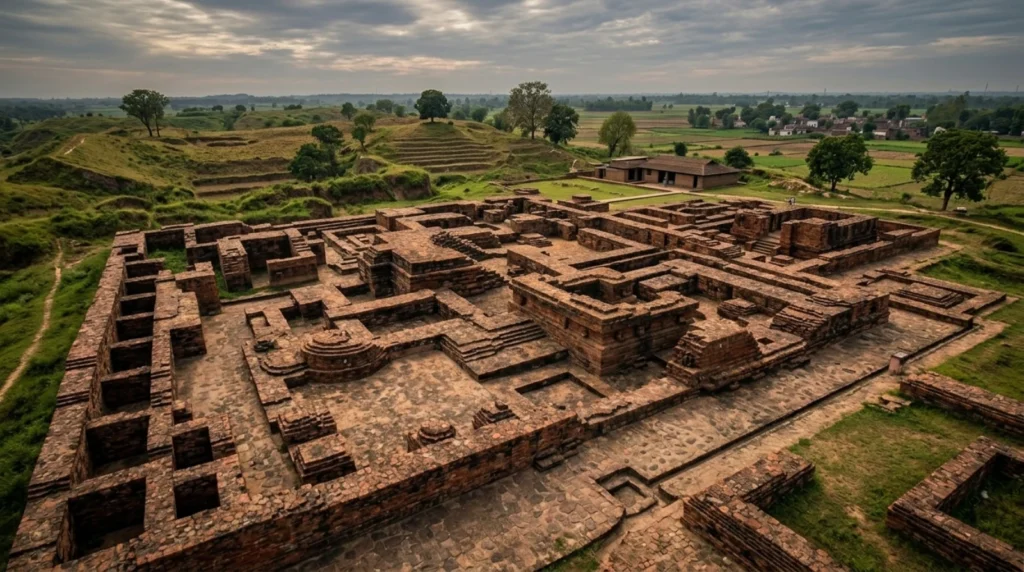
Kaushambi is home to a remarkable collection of archaeological remains that reveal its importance during ancient times. Excavations have uncovered fortifications, monasteries, sculptures, inscriptions and other structures that provide valuable insight into the city’s rich history.
These discoveries have helped historians better understand the role Kaushambi played in both Buddhism and ancient Indian civilization. Walking among the ruins allows visitors to imagine a time when the city was a thriving center of learning, commerce and spiritual activity visited by Buddha himself.
A City Connected to Buddha’s Teachings
Many Buddhist texts mention Kaushambi as the setting for important teachings and events. It was here that Buddha addressed challenges within the monastic community and offered guidance on harmony, discipline and compassion. These teachings continue to be studied by Buddhist practitioners around the world.
Because of this connection, Kaushambi is often regarded as more than just a historical location. It represents a place where practical aspects of Buddhist life and community development took shape, helping Buddhism evolve into a lasting spiritual tradition.
Pilgrims and Visitors Every Year
Although Kaushambi receives fewer visitors than major pilgrimage destinations such as Bodh Gaya or Sarnath, it remains an important stop for travelers interested in Buddhist history. Pilgrims from India and abroad visit the site to explore its ancient monuments and deepen their understanding of Buddha’s journey.
Many Buddhist Circuit tours include Kaushambi alongside Sarnath, Shravasti, Kushinagar, Rajgir, Nalanda and Lumbini. Visitors often appreciate the peaceful atmosphere and the opportunity to explore a destination that remains relatively untouched by large crowds.
Kaushambi and the Buddhist Circuit
Kaushambi occupies a valuable place on the Buddhist Circuit because it highlights Buddha’s role as a teacher and community leader. Unlike sites associated with a single event, Kaushambi reflects the ongoing relationship between Buddha and the people who followed his teachings.
For travelers seeking a complete understanding of Buddhist history, Kaushambi provides an important chapter in the story. Its monasteries, archaeological remains and historical significance help illustrate how Buddhism spread and developed during Buddha’s lifetime.
For pilgrims, historians and travelers alike, Kaushambi offers a meaningful journey into the living history of Buddhism. Its sacred sites and ancient ruins stand as lasting reminders of the wisdom and teachings that continue to inspire millions around the world.