
Long before he became Gautama Buddha, Siddhartha lived as a prince in the prosperous kingdom of Kapilavastu. Nestled near the present-day border of Nepal and India, Kapilavastu is one of the most significant destinations in Buddhist history because it represents the early life of the man who would later change the spiritual course of humanity. Unlike Bodh Gaya, where Buddha attained enlightenment, or Sarnath, where he delivered his first sermon, Kapilavastu tells the story of Siddhartha before he became the Buddha.
Today, Kapilavastu remains an important stop on the Buddhist Circuit, attracting pilgrims, historians and travelers from around the world. Visitors come here to explore the place where Siddhartha spent his childhood and youth, surrounded by royal luxury, before choosing a path of renunciation, wisdom and compassion. The site offers a fascinating glimpse into the early life of Buddha and the circumstances that shaped his spiritual journey.
Why Kapilavastu Is Important in Buddhism
Kapilavastu is significant because it was the capital of the Shakya Kingdom and the home of Prince Siddhartha Gautama. Raised in royal comfort by his father, King Suddhodana, Siddhartha spent much of his early life within the palace walls. According to Buddhist traditions, his family sought to shield him from the realities of suffering, illness and death.
However, it was from Kapilavastu that Siddhartha eventually stepped beyond the palace and encountered the experiences that transformed his understanding of life. These encounters inspired him to leave behind wealth, power and privilege in search of deeper truth. As a result, Kapilavastu symbolizes the beginning of the spiritual quest that ultimately led to enlightenment and the birth of Buddhism.
The Story of the Great Renunciation
One of the most important events associated with Kapilavastu is the Great Renunciation. At the age of twenty-nine, Siddhartha made the life-changing decision to leave his royal life behind and dedicate himself to finding a solution to human suffering.
This moment is considered one of the defining turning points in Buddhist history. Without the renunciation that began in Kapilavastu, the journey toward enlightenment at Bodh Gaya would never have taken place. For Buddhists around the world, the story serves as a powerful reminder of courage, determination and the pursuit of wisdom beyond material comforts.
Archaeological Sites and Ancient Ruins
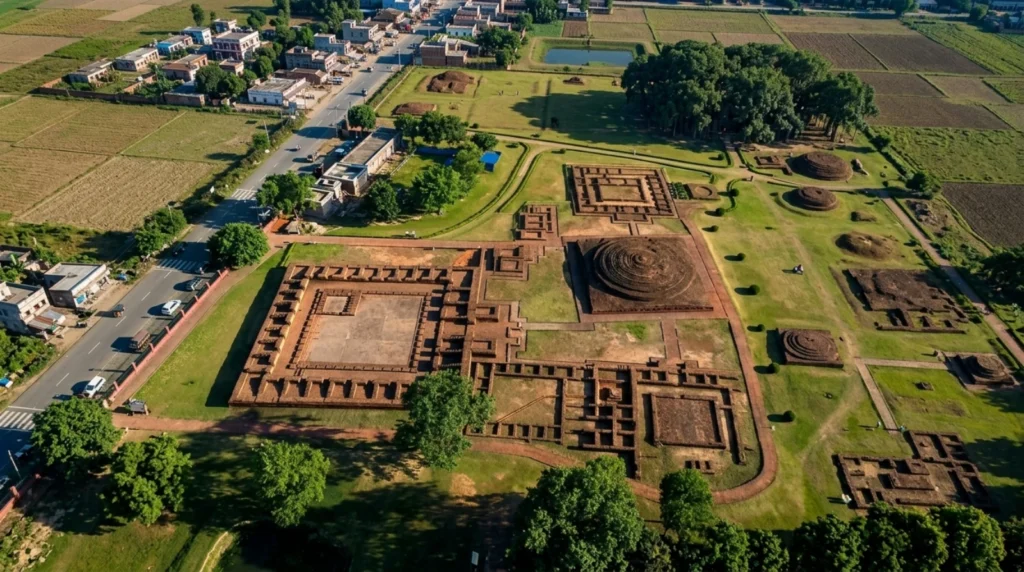
Modern-day Kapilavastu is known for its archaeological remains, which provide valuable insights into the ancient kingdom of the Shakyas. Excavations have uncovered fortifications, residential structures, monasteries and other relics that help historians understand the environment in which Siddhartha grew up.
Visitors exploring these ruins can gain a deeper appreciation of the historical context of Buddha’s early life. Walking through the remains of this ancient city creates a strong connection to the beginnings of a story that would eventually influence millions of people across the world.
A Place of Reflection and Inspiration
Unlike some Buddhist pilgrimage sites that focus on major religious events, Kapilavastu offers visitors an opportunity to reflect on Buddha’s human journey. It reminds us that before becoming an enlightened teacher, Siddhartha experienced many of the same questions and uncertainties that people face today.
This human aspect makes Kapilavastu especially meaningful for travelers. The site encourages reflection on personal growth, life choices and the search for purpose. Many visitors find inspiration in the realization that one individual’s decision to seek truth eventually transformed the lives of countless others.
Pilgrims and Visitors Every Year
Thousands of Buddhist pilgrims and international visitors travel to Kapilavastu each year as part of the Buddhist Circuit. The site is often visited alongside nearby Lumbini, as well as Bodh Gaya, Sarnath, Kushinagar, Rajgir and Nalanda.
Travelers appreciate Kapilavastu not only for its historical significance but also for its peaceful atmosphere. Away from the crowds of larger destinations, it offers a quiet and meaningful experience that complements the broader Buddhist pilgrimage journey.
Kapilavastu and the Buddhist Circuit
Kapilavastu occupies a unique place on the Buddhist Circuit because it represents the beginning of Buddha’s personal transformation. While other sites highlight his teachings, enlightenment and final years, Kapilavastu reveals the formative experiences that shaped his character and inspired his quest for truth.
For anyone seeking a complete understanding of Buddha’s life, Kapilavastu is an essential destination. It provides valuable insight into the early years of Siddhartha Gautama and helps visitors appreciate the remarkable journey that eventually led to the foundation of Buddhism.
For pilgrims and travelers exploring the Buddhist Circuit, Kapilvastu offers a rare opportunity to connect with the early life of Gautama Buddha. Its historical significance, archaeological heritage and enduring spiritual legacy make it one of the most meaningful destinations in Buddhist history.