
Among all the sacred destinations associated with Buddhism, Lumbini holds a unique and deeply respected place. Located in the Rupandehi District of Nepal, Lumbini is recognized worldwide as the birthplace of Siddhartha Gautama, who later became Gautama Buddha. For millions of Buddhists, this peaceful town is not merely a historical location but the very beginning of a spiritual journey that would influence countless lives across centuries.
Today, Lumbini attracts pilgrims, monks, scholars and travelers from around the globe. Visitors come here not only to witness an important historical site but also to experience the peaceful atmosphere that surrounds Buddha’s birthplace. The sacred gardens, ancient monuments and international monasteries create an environment where history and spirituality blend together beautifully.
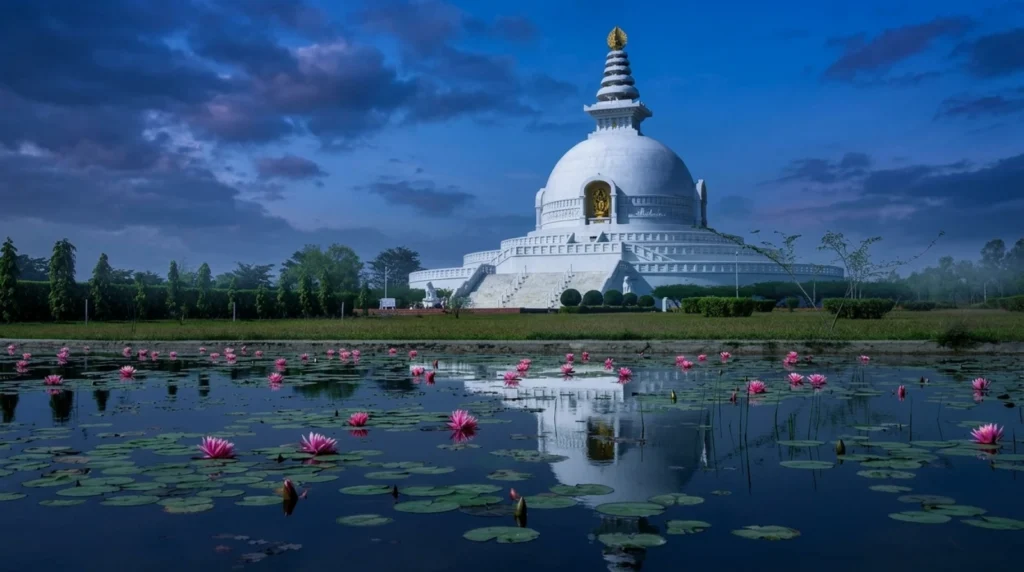
The Birthplace of Siddhartha Gautama
According to Buddhist tradition, Queen Maya Devi gave birth to Prince Siddhartha in Lumbini during a journey to her parental home. At the time, no one could have imagined that this young prince would one day become one of the most influential spiritual teachers in human history. Siddhartha’s teachings would eventually spread across Asia and beyond, shaping cultures, philosophies and entire civilizations.
For Buddhists, visiting Lumbini means visiting the place where the story of Buddha began. It is here that the first chapter of his life unfolded, making the site one of the Four Great Buddhist Pilgrimage Destinations. Pilgrims often describe a visit to Lumbini as a deeply meaningful experience because it allows them to connect with the origins of Buddha’s life and teachings.
Why Lumbini Is So Important
If Bodh Gaya marks enlightenment, Sarnath marks the first sermon and Kushinagar marks Mahaparinirvana, then Lumbini represents the beginning of Buddha’s earthly journey. Without Lumbini, the remarkable story of Gautama Buddha would never have begun. This alone makes the site one of the most sacred destinations in the Buddhist world.
The significance of Lumbini extends far beyond its religious importance. It serves as a symbol of peace, compassion and human potential. Every year, thousands of people visit not only to learn about Buddhist history but also to reflect on the values that Buddha’s teachings continue to inspire in the modern world.
The Sacred Maya Devi Temple
The Maya Devi Temple is the spiritual heart of Lumbini and one of the most visited Buddhist sites in Nepal. Built around the traditional birthplace of Buddha, the temple houses important archaeological remains and a marker stone believed to indicate the exact location where Siddhartha Gautama was born.
Surrounding the temple are beautiful gardens, ancient ruins and prayer areas that provide a peaceful environment for reflection. Visitors often spend time walking through these sacred grounds, appreciating both the historical significance and the calm atmosphere that make the site so special.
The Ashoka Pillar and Historical Significance
One of the most important landmarks in Lumbini is the Ashoka Pillar, erected by Emperor Ashoka during his pilgrimage to the site in the 3rd century BCE. The inscription on the pillar confirms Lumbini as the birthplace of Buddha and remains one of the strongest pieces of historical evidence supporting Buddhist traditions.
The presence of the Ashoka Pillar has made Lumbini not only a religious destination but also a site of great archaeological importance. Historians and researchers from around the world continue to study the area to better understand the early history of Buddhism and its development across Asia.
A Global Center for Buddhism
One of the most fascinating aspects of Lumbini is its international character. The city is home to monasteries and temples built by Buddhist communities from Thailand, Japan, Sri Lanka, Myanmar, Vietnam, South Korea, China and many other countries. Each monastery reflects the unique artistic and cultural traditions of its homeland.
Walking through Lumbini’s monastic zone feels like exploring the global Buddhist community in a single location. Visitors can admire diverse architectural styles while gaining a deeper appreciation of how Buddha’s teachings have united people from different cultures and backgrounds around the world.
Pilgrims and Visitors Every Year
Lumbini welcomes hundreds of thousands of visitors annually, including monks, pilgrims, spiritual seekers and international tourists. Many travelers include Lumbini as part of a larger Buddhist Circuit journey that also covers Sarnath, Bodh Gaya, Kushinagar, Rajgir and Nalanda.
The peaceful environment and historical importance of the site leave a lasting impression on visitors. Whether someone comes for religious reasons or simply to learn about history and culture, Lumbini offers an experience that is both educational and spiritually enriching.
For anyone interested in Buddhism, history or spiritual travel, Lumbini is a destination that cannot be overlooked. It is a place where visitors can connect with the origins of Buddha’s journey and experience a site that remains a powerful symbol of peace, wisdom and compassion.