
Among all the Buddhist pilgrimage destinations in the world, Bodh Gaya holds a place of unmatched importance. Located in the Indian state of Bihar, this sacred town is revered as the very place where Prince Siddhartha attained enlightenment and became Gautama Buddha over 2,500 years ago.
For millions of Buddhists around the world, Bodh Gaya is not just a historical site. It is the spiritual heart of Buddhism and one of the most visited pilgrimage destinations on the Buddhist Circuit.
The Place Where Buddha Became the Buddha
The significance of Bodh Gaya lies in a single transformative event that changed the course of human history. After years of searching for truth and practicing severe austerities, Prince Siddhartha sat beneath a Peepal tree on the banks of the Niranjana River. Determined not to rise until he discovered the ultimate truth, he entered deep meditation.
After days of profound contemplation, he attained enlightenment and became the Buddha, meaning “The Enlightened One.” This sacred tree later became known as the Bodhi Tree, and the location where this event occurred became one of the holiest places in the Buddhist world.
Why Bodh Gaya Is So Important
If Lumbini marks the birth of Buddha and Sarnath marks the beginning of his teachings, Bodh Gaya represents the moment of enlightenment itself.
It was here that Buddha discovered the path to liberation from suffering and gained the wisdom that would later inspire millions of people across continents and generations. For Buddhists, visiting Bodh Gaya is often considered a once-in-a-lifetime spiritual journey. It is a place where faith, history and meditation come together in a deeply meaningful way.
The Magnificent Mahabodhi Temple
At the center of Bodh Gaya stands the iconic Mahabodhi Temple, one of the most important Buddhist monuments in the world. Recognized as a UNESCO World Heritage Site, the temple attracts pilgrims, monks and travelers from nearly every Buddhist country. Its towering architecture, peaceful atmosphere and spiritual significance make it one of India’s most treasured heritage sites.
The temple complex houses the sacred Bodhi Tree, believed to be a direct descendant of the original tree under which Buddha attained enlightenment. For many visitors, sitting beneath the Bodhi Tree becomes the most memorable moment of their journey.
A Global Center of Buddhism
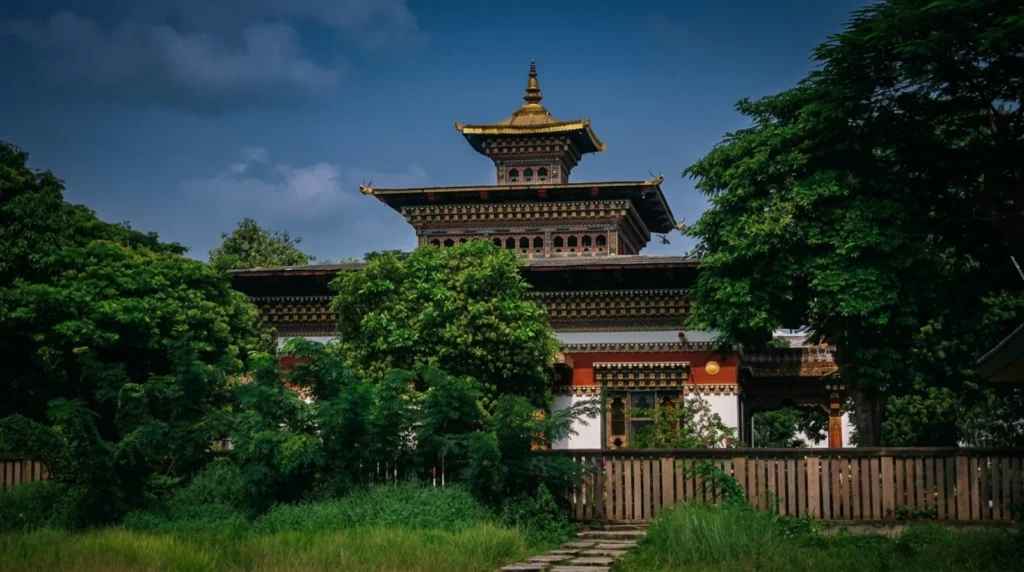
One of the unique aspects of Bodh Gaya is its international character. Monasteries and temples built by Buddhist communities from Thailand, Japan, Bhutan, Sri Lanka, Myanmar, Vietnam, Tibet, China and several other countries can be found throughout the town.
These beautiful monasteries showcase different architectural styles and traditions while reflecting the global reach of Buddhism. Walking through Bodh Gaya often feels like taking a journey through the Buddhist world itself.
Millions of Visitors Every Year
Bodh Gaya welcomes hundreds of thousands of pilgrims and visitors every year, including monks, meditation practitioners, scholars and tourists from around the globe.
During major Buddhist festivals and winter pilgrimage seasons, the town becomes a vibrant gathering place for people seeking spiritual inspiration and cultural understanding. Visitors come not only to pray and meditate but also to learn about the life and teachings of Buddha in the place where his journey reached its most significant milestone.
Other Important Places to Visit
While the Mahabodhi Temple is the main attraction, Bodh Gaya offers several other important sites:
- The Sacred Bodhi Tree
- Great Buddha Statue
- Thai Monastery
- Japanese Temple
- Tibetan Monastery
- Royal Bhutan Monastery
- Muchalinda Lake
- Archaeological remains connected to ancient Buddhism
Bodh Gaya Today
Today, Bodh Gaya remains one of the most important Buddhist pilgrimage destinations in the world and a key stop on the Buddhist Circuit alongside Sarnath, Kushinagar, Lumbini, Rajgir and Nalanda.
Its peaceful environment, global Buddhist presence and profound historical significance continue to inspire visitors from every corner of the world.