
Hidden among the historic landscapes of Uttar Pradesh, Sankisa is one of the lesser-known yet deeply significant destinations on the Buddhist Circuit. While places like Bodh Gaya, Sarnath and Kushinagar are widely recognized across the world, Sankisa holds a unique place in Buddhist tradition because it is associated with one of the most remarkable events in the life of Gautama Buddha.
For centuries, Buddhist pilgrims have visited Sankisa to honour the place where, according to Buddhist belief, Buddha descended to Earth after teaching the Dharma in Heaven. The peaceful surroundings, ancient monuments and spiritual heritage make Sankisa an important destination for those seeking a deeper understanding of Buddhist history and traditions.
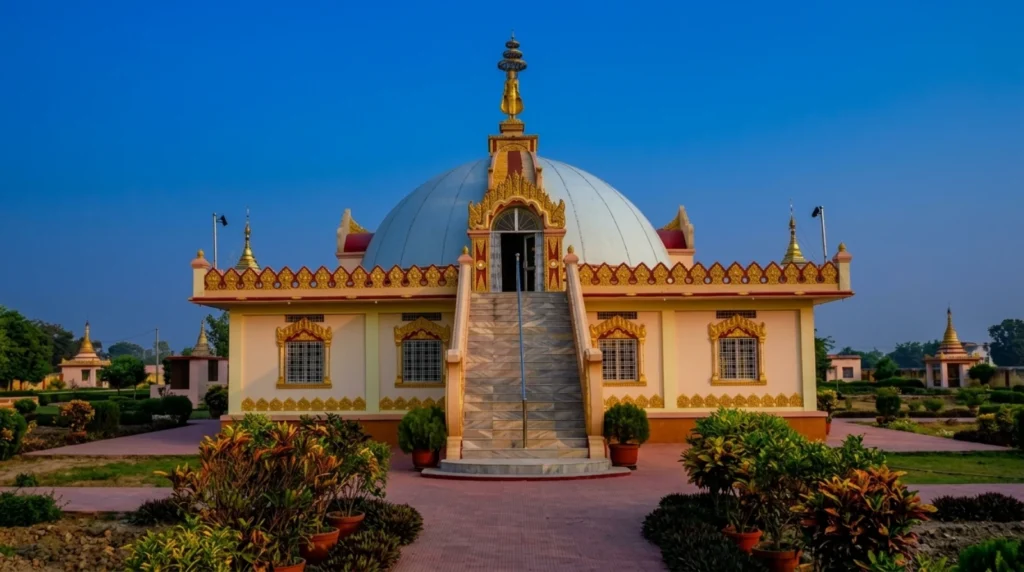
Why Sankisa Is Important in Buddhism
Sankisa is revered because it is traditionally believed to be the place where Buddha descended from Trayastrimsa Heaven after spending three months teaching his mother and celestial beings. According to Buddhist texts, after attaining enlightenment, Buddha traveled to Heaven to share his teachings with his mother, Queen Maya Devi, who had passed away shortly after his birth.
When his teaching mission was complete, Buddha returned to Earth at Sankisa. Buddhist traditions describe this descent as a miraculous event witnessed by countless followers. Because of this association, Sankisa became one of the sacred pilgrimage sites visited by devotees seeking to follow the footsteps of Buddha and understand the spiritual depth of his teachings.
The Sacred Descent of Buddha
The story of Buddha’s descent from Heaven is one of the most fascinating narratives in Buddhist literature. Ancient texts describe a magnificent staircase connecting Heaven and Earth, allowing Buddha to return to the human world after completing his teachings among celestial beings.
Although the event belongs to religious tradition rather than recorded history, it has shaped the spiritual importance of Sankisa for centuries. For Buddhist pilgrims, the site symbolizes compassion, wisdom and Buddha’s commitment to sharing knowledge with all beings, whether human or divine.
The Ashoka Pillar and Ancient Heritage
One of the most important attractions in Sankisa is the remains of an Ashokan pillar, believed to have been erected by Emperor Ashoka during his pilgrimage to Buddhist sacred sites in the 3rd century BCE. The pillar serves as evidence that Sankisa was already an important pilgrimage destination during ancient times.
Archaeological discoveries in the area have revealed ancient structures, stupas and religious remains that reflect the site’s long-standing connection with Buddhism. These historical monuments help visitors appreciate the importance of Sankisa within the broader story of Buddhist heritage in India.
Temples and Sacred Monuments
Modern Sankisa is home to several temples, shrines and monuments that attract pilgrims from different Buddhist countries. Visitors can explore sacred sites associated with the traditional story of Buddha’s descent while learning about the historical and spiritual significance of the region.
The peaceful environment of Sankisa offers a different experience compared to larger pilgrimage centers. Many travelers appreciate the quiet atmosphere, which allows for reflection and a deeper connection with Buddhist traditions without the crowds often found at more famous destinations.
Pilgrims and Visitors Every Year
Although Sankisa receives fewer visitors than destinations such as Bodh Gaya or Sarnath, it remains an important stop on the Buddhist Circuit. Pilgrims from India, Sri Lanka, Thailand, Myanmar, Japan and other Buddhist countries regularly visit the site as part of their spiritual journey.
Many travelers include Sankisa in extended Buddhist Circuit itineraries covering Lumbini, Kushinagar, Sarnath, Shravasti, Rajgir and Nalanda. Those who visit often describe Sankisa as one of the most peaceful and spiritually enriching destinations on the route.
Sankisa and the Buddhist Circuit
Sankisa occupies a unique position on the Buddhist Circuit because it is connected to an event that highlights Buddha’s compassion and universal teachings. While many Buddhist sites are associated with historical events from Buddha’s earthly life, Sankisa reflects the spiritual traditions and beliefs that developed around his legacy.
For visitors seeking a more complete understanding of Buddhism, Sankisa adds an important dimension to the pilgrimage experience. It offers insight into the religious narratives, symbolism and devotion that have shaped Buddhist culture for centuries.
For those exploring the Buddhist Circuit, Sankisa provides a unique opportunity to discover a lesser-known yet deeply significant chapter of Buddhist history. Its sacred monuments, peaceful surroundings and spiritual importance continue to inspire visitors from around the world.