
Tucked away in the hills of Maharashtra, the Ajanta Caves are among the most extraordinary treasures of Buddhist heritage in the world. Carved into a horseshoe-shaped cliff overlooking the Waghora River, these ancient caves have fascinated travelers, historians and pilgrims for generations. Long before modern museums and galleries existed, Ajanta preserved stories of faith, art and human creativity within its stone walls.
What makes Ajanta truly special is the way it combines spirituality with artistic brilliance. The caves are not simply monuments or archaeological sites. They are a visual record of Buddhist culture, preserving paintings, sculptures and architectural achievements that have survived for nearly two thousand years. Today, visitors from around the world come to Ajanta to witness one of the finest examples of Buddhist art ever created.
Why Ajanta Is Important in Buddhism
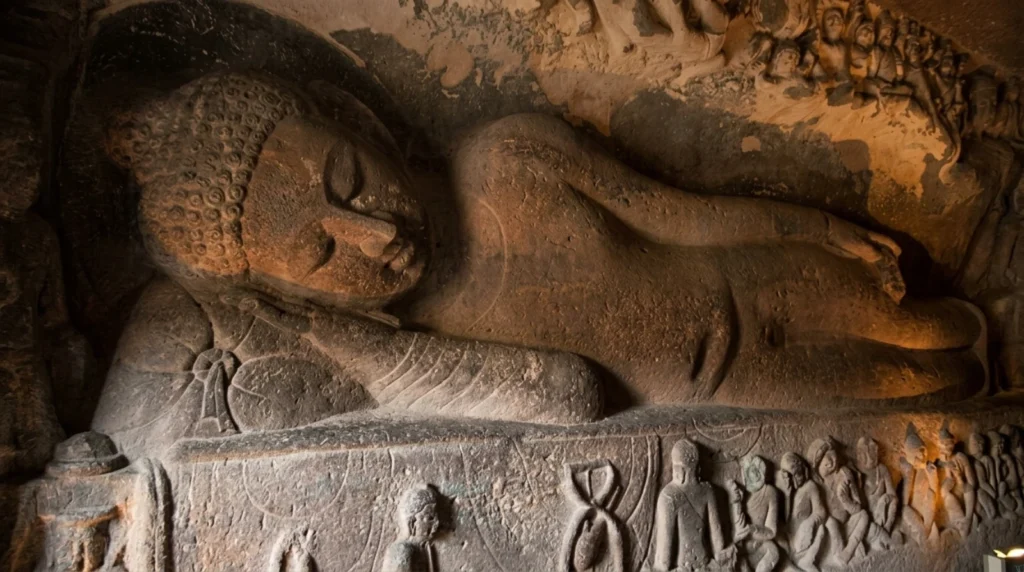
Ajanta occupies a significant place in Buddhist history because it served as a major center for Buddhist learning, worship and meditation. The caves were created by Buddhist monks over several centuries and functioned as monasteries, prayer halls and places of spiritual practice.
Many of the paintings and carvings found within the caves depict scenes from the life of Buddha as well as stories from the Jataka Tales, which recount the previous lives of Buddha. These artworks helped communicate Buddhist teachings to people and continue to offer valuable insights into the beliefs and traditions of ancient Buddhist communities.
The Magnificent Cave Paintings
The greatest attraction of Ajanta is undoubtedly its breathtaking paintings. Despite being created centuries ago, many of these artworks remain remarkably detailed and expressive. The murals depict royal courts, everyday life, spiritual journeys and important moments from Buddhist traditions.
Art historians often regard the Ajanta paintings as some of the finest surviving examples of ancient Indian art. The level of skill, emotion and storytelling displayed in these works continues to impress visitors and researchers alike, making Ajanta one of the most celebrated cultural sites in Asia.
Rock-Cut Architecture and Monasteries
Ajanta is home to around thirty rock-cut caves, each carefully carved into the hillside. Some caves were designed as prayer halls known as chaityas, while others served as monasteries called viharas where monks lived and studied.
The architectural precision of these caves demonstrates the remarkable abilities of ancient craftsmen. Massive pillars, intricate carvings and spacious halls were all created directly from solid rock, showcasing a level of engineering and artistry that remains impressive even today.
A UNESCO World Heritage Site
Recognizing its immense cultural and historical value, UNESCO designated the Ajanta Caves as a World Heritage Site. This recognition has helped preserve the caves and introduce their significance to an international audience.
Today, Ajanta is considered one of the most important heritage destinations in India. Scholars, artists and travelers visit the site not only to learn about Buddhism but also to appreciate one of humanity’s greatest artistic achievements.
Pilgrims and Visitors Every Year
Ajanta attracts thousands of visitors from around the world every year. Buddhist pilgrims come to connect with the spiritual history of the caves, while travelers and art enthusiasts visit to admire their extraordinary beauty.
Many visitors combine Ajanta with Ellora and other historical sites in Maharashtra. The peaceful natural surroundings and rich cultural heritage make Ajanta a memorable destination for anyone interested in history, art or spirituality.
Ajanta and the Legacy of Buddhism
Ajanta provides a unique perspective on Buddhism by showing how art and storytelling were used to preserve and spread spiritual teachings. The caves demonstrate the deep devotion of the communities that created them and reveal how Buddhist values influenced culture and creativity throughout ancient India.
For travelers seeking to understand the broader impact of Buddhism, Ajanta offers an experience unlike any other destination. It is a place where faith, history and artistic excellence come together in remarkable harmony.
For anyone exploring India’s Buddhist legacy, Ajanta is an essential destination. It stands as one of the world’s greatest cultural treasures and a powerful reminder of the enduring influence of Buddhist thought and creativity.